Computer Vision
Cameras and models that inspect every part, at line speed.
We engineer machine vision systems that look at products, materials and processes as they move, find what is wrong, classify it and pass the result straight to the line's control system.
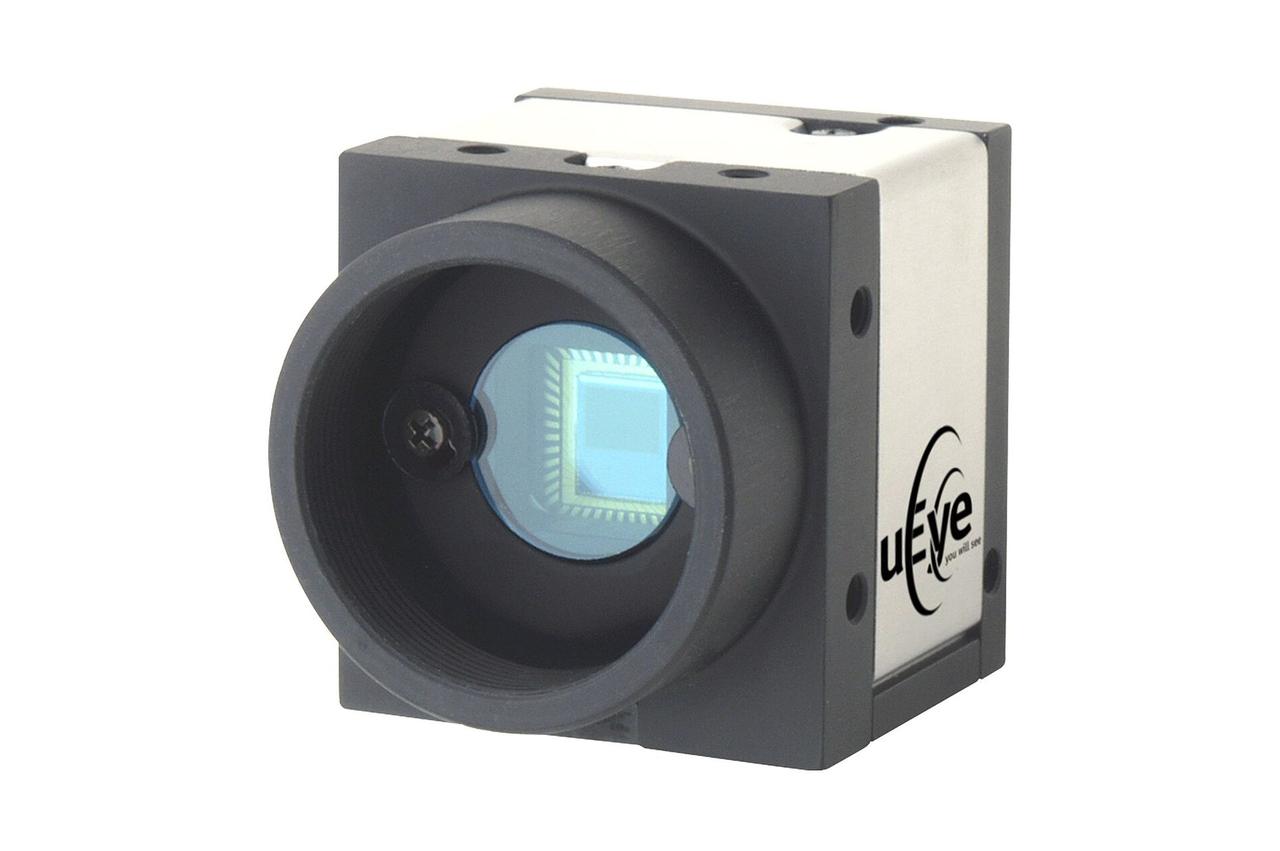
A vision system is only useful when it sees reliably on a real line: changing light, vibration, dust, reflective surfaces and parts that never sit in quite the same place. We design the whole optical chain and the software behind it, and we connect the result to the equipment that acts on it.
Applications
- Real-time industrial visual inspection
- Defect detection and classification
- Crack, void and misalignment identification
- Automated quality inspection
- Machine vision integration with production-line control systems
What we engineer
Optics and imaging
Camera, lens and lighting selection, mounting and triggering, chosen around the defect that has to be seen and the speed of the line.
Inspection models
Detection, classification and segmentation models trained on images from the actual process, plus classical image processing where it is the simpler, more predictable answer.
Measurement and verification
Presence, position, alignment and dimensional checks that turn an image into a pass, fail or graded result.
Line integration
Signals to PLCs, reject mechanisms and robots, so a detected defect leads to an action rather than a log entry.
Review tools
Interfaces where operators and quality engineers see flagged images, confirm results and feed corrections back into the models.
Where Computer Vision sits in a complete system
Computer Vision serves the Sense and Decide steps. The same team engineers every other step, so nothing is handed between vendors.
-
Sense
Cameras, sensors, drones and connected devices collect real-world data.
-
Process
Embedded hardware and edge AI process information locally.
-
Decide
Computer vision and intelligent algorithms identify patterns, defects and operational conditions.
-
Act
Robotics, industrial controllers and automation systems execute decisions.
-
Connect
Software dashboards, cloud platforms and analytics provide visibility and control.
How it works with the other capabilities
No capability works alone. These are the interfaces we engineer between Computer Vision and the rest of the system.
Edge AI & Embedded Hardware
Inspection models run on edge hardware beside the camera, so decisions are made in milliseconds without depending on a network connection.
Industrial IoT
Inspection results are published alongside machine and sensor data, so a rise in defects can be traced back to the condition of the equipment that produced them.
Robotics & Automation
Vision gives robots their eyes: locating parts for picking, guiding placement and checking the result of each operation.
Software Engineering
Dashboards and quality records show what was inspected, what failed and why, across shifts and production lines.
Drone Intelligence
The same detection and anomaly models are adapted to aerial imagery for inspecting structures, solar arrays and sites.
Typical technologies and components
- Industrial area-scan and line-scan cameras
- Structured, backlight and diffuse lighting
- Deep-learning detection, classification and segmentation models
- Classical image processing and measurement
- Encoder and sensor triggering
- PLC and fieldbus interfaces for reject and stop signals
Have an Engineering Challenge?
Let's build an intelligent solution that solves a real-world problem.
Start a Conversation