Robotics & Automation
Machines that act on what the system decides.
We engineer robotic and automated systems that take decisions from vision, sensors and software and turn them into physical action: picking, placing, sorting, moving and handling.
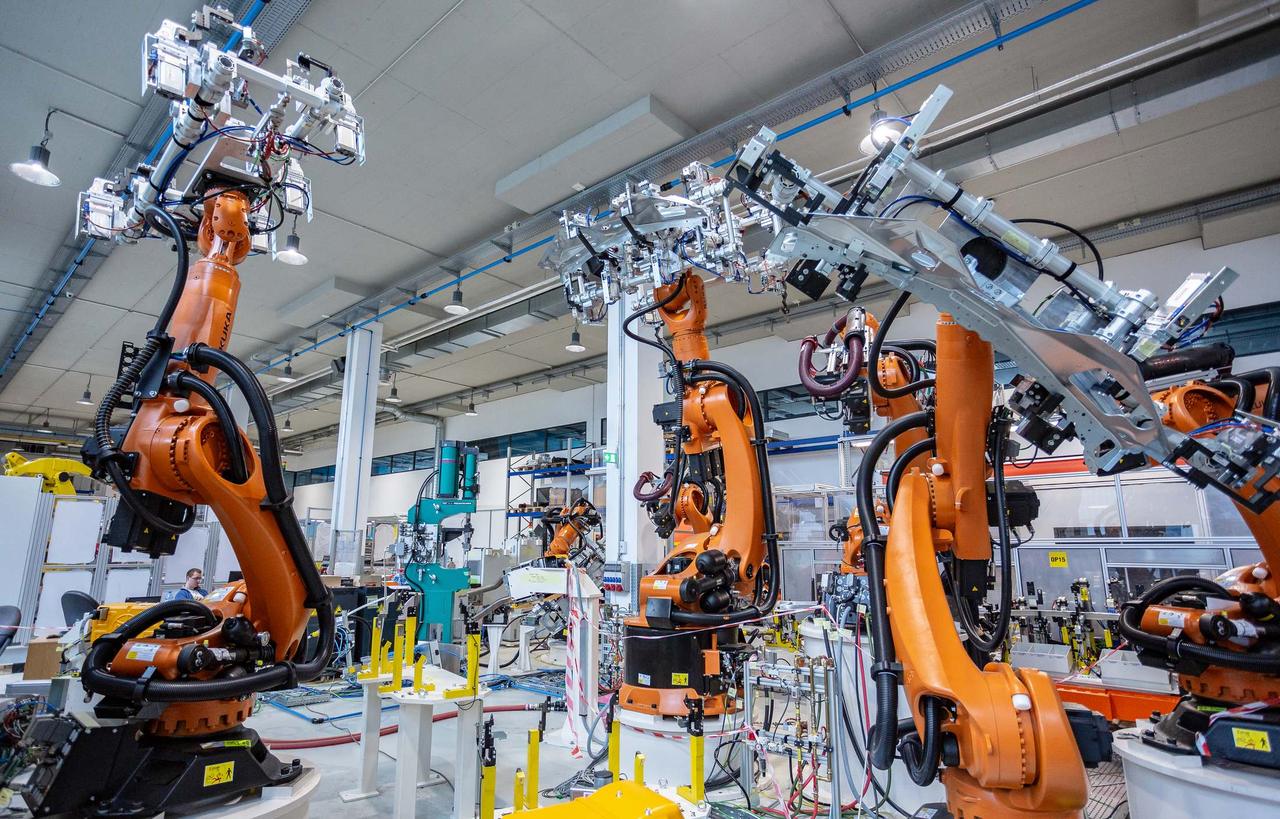
Automation is where an intelligent system meets the physical world. A robot is only as capable as the perception, control and integration around it, so we engineer those together: the cell or vehicle, the sensing that guides it and the connections to the rest of the operation.
Applications
- Vision-guided robotic systems
- Autonomous mobile robots
- Warehouse automation
- Intelligent robotic control
- Machine-to-machine integration
What we engineer
Vision-guided robotics
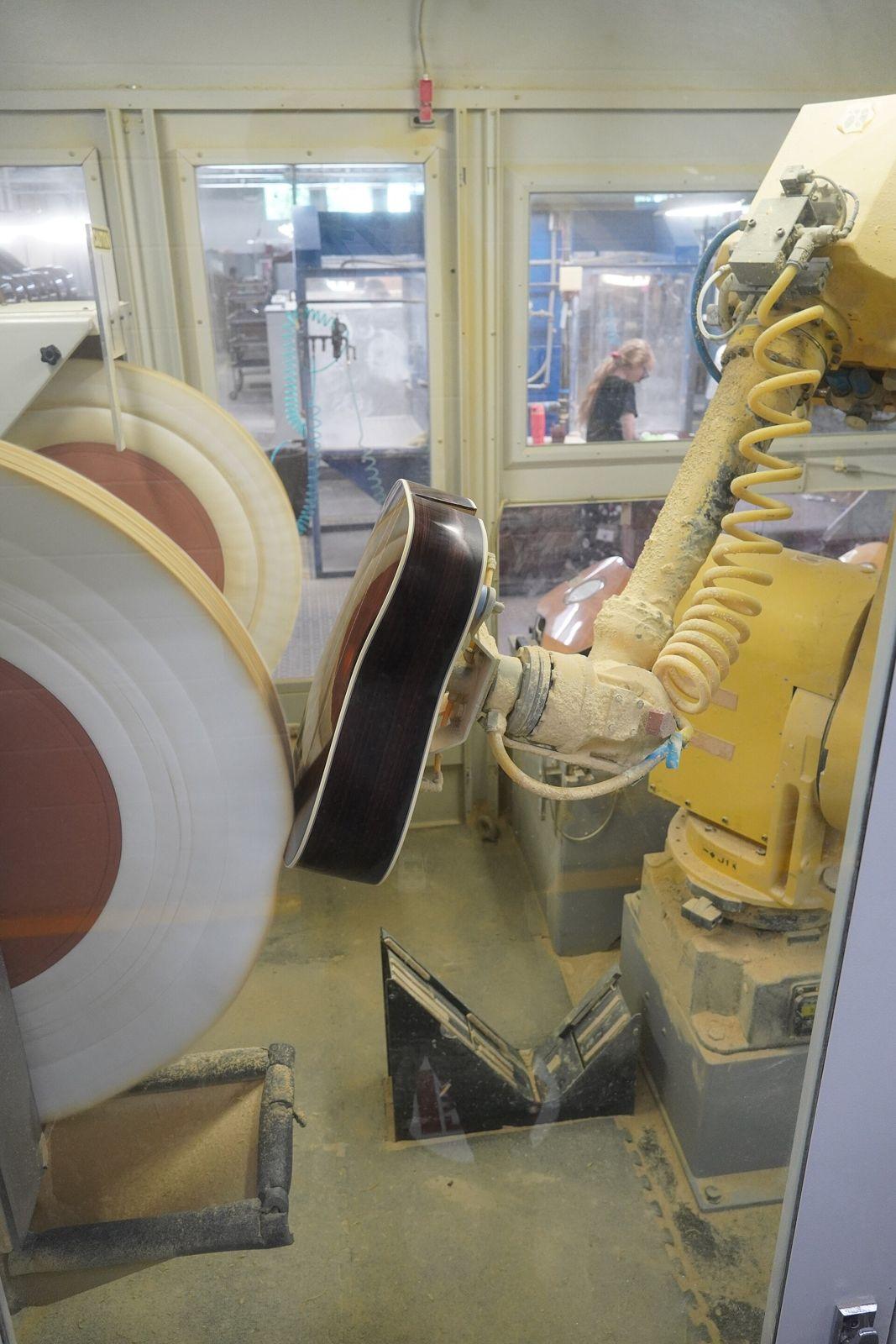
Robot cells that use cameras to locate, pick, place and inspect parts that are not fixed in a known position.
Autonomous mobile robots
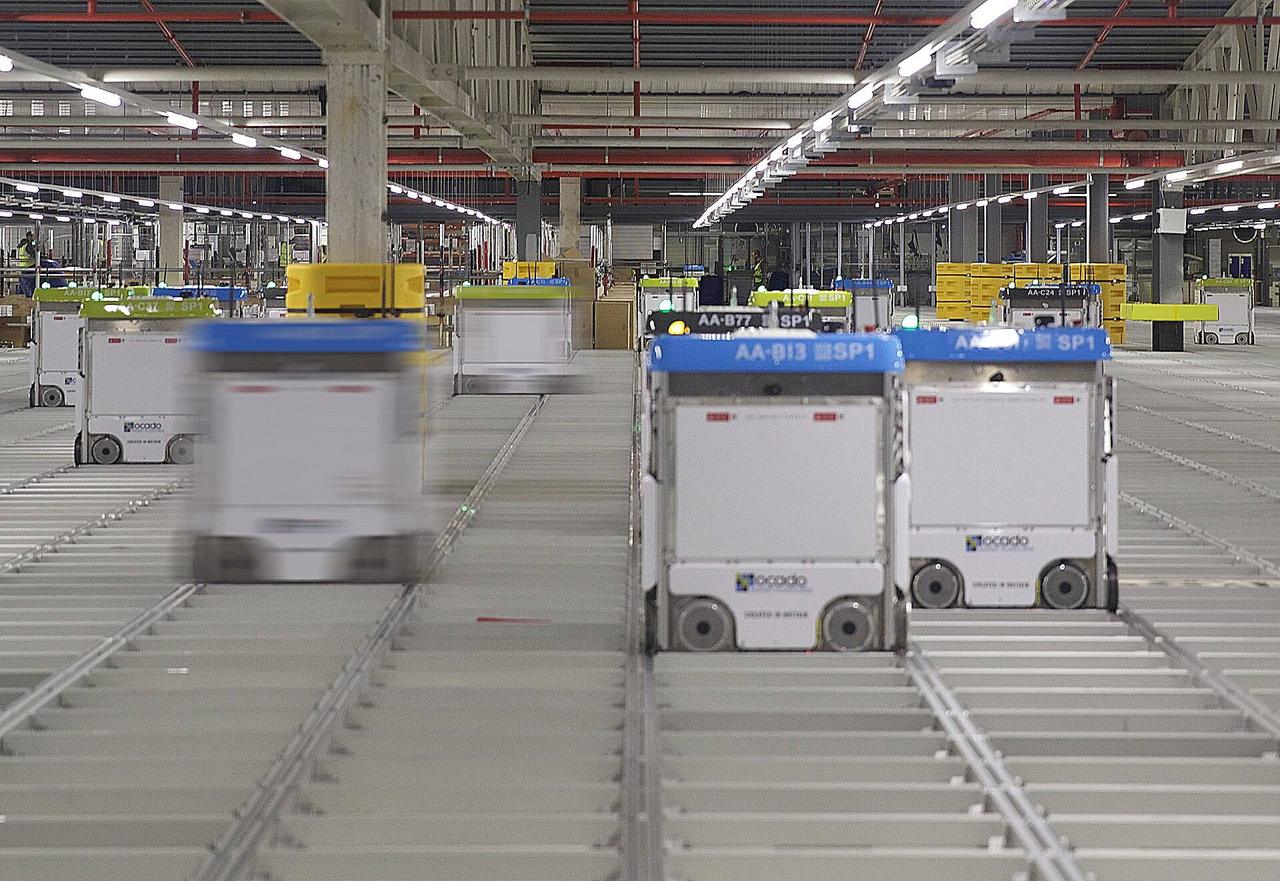
Navigation, safety and task coordination for robots that move materials around factories and warehouses.
Robotic control
Motion planning, task logic and exception handling that let robots adapt to variation instead of stopping.
Machine-to-machine integration
Coordination between robots, conveyors, PLCs and warehouse or production systems.
Safety and commissioning
Cell layout, guarding concepts and on-site commissioning alongside the operations team.
Where Robotics sits in a complete system
Robotics serves the Act step. The same team engineers every other step, so nothing is handed between vendors.
-
Sense
Cameras, sensors, drones and connected devices collect real-world data.
-
Process
Embedded hardware and edge AI process information locally.
-
Decide
Computer vision and intelligent algorithms identify patterns, defects and operational conditions.
-
Act
Robotics, industrial controllers and automation systems execute decisions.
-
Connect
Software dashboards, cloud platforms and analytics provide visibility and control.
How it works with the other capabilities
No capability works alone. These are the interfaces we engineer between Robotics and the rest of the system.
Computer Vision
Cameras tell the robot where things are and confirm that each operation was completed correctly.
Edge AI & Embedded Hardware
On-board and in-cell edge computers run perception and control with the latency that motion requires.
Industrial IoT
Robots report their health and output, and receive work from the connected plant.
Software Engineering
Orchestration software assigns tasks, tracks fleets and connects automation to warehouse and production systems.
Drone Intelligence
Aerial robots extend automated inspection to places ground equipment cannot reach.
Typical technologies and components
- Industrial and collaborative robot arms
- Autonomous mobile robots and automated guided vehicles
- 2D and 3D vision for guidance
- ROS 2 and robot controller programming
- PLC and fieldbus integration
- Safety scanners and interlocks
Have an Engineering Challenge?
Let's build an intelligent solution that solves a real-world problem.
Start a Conversation