Industrial IoT
Every machine and sensor, connected and understood.
We connect industrial equipment, sensors and fleets to a reliable data layer, then turn that data into monitoring, alerts and maintenance decisions.
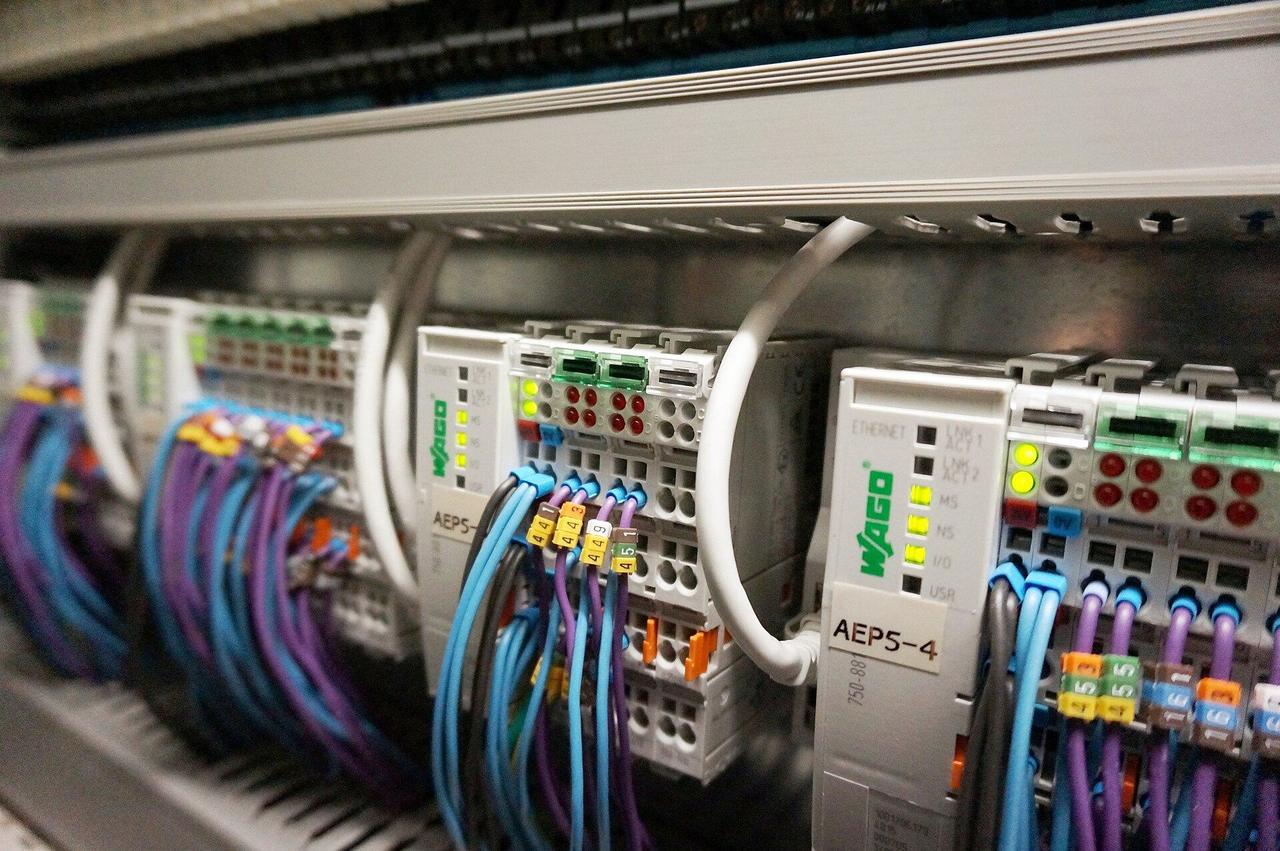
Most industrial equipment already produces useful signals; the difficulty is collecting them reliably from mixed, often older machines and making sense of them. We engineer the path from the sensor to the dashboard: instrumentation, gateways, data pipelines and the analytics on top.
Applications
- Industrial sensor integration
- IoT gateways and connected devices
- Equipment and fleet monitoring
- Predictive maintenance
- Industrial data collection and analytics
What we engineer
Sensor integration
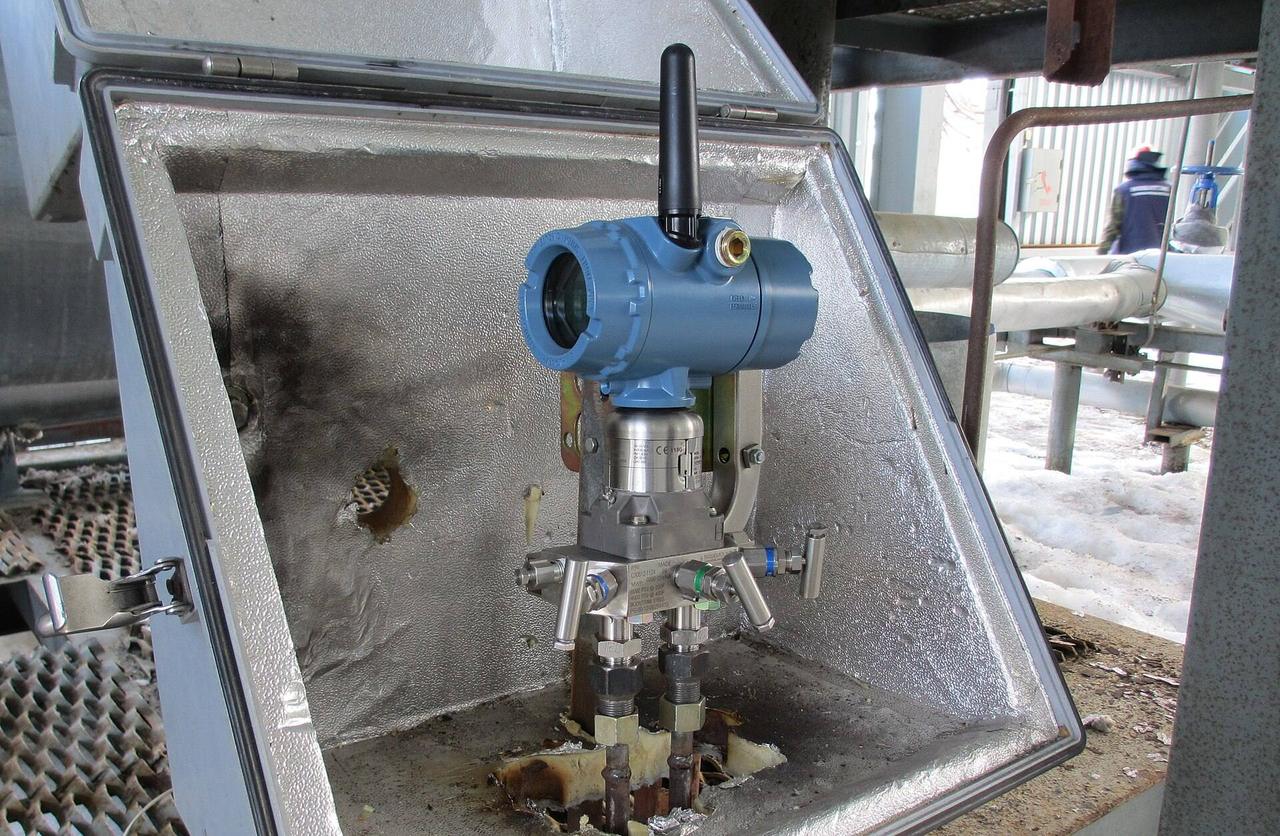
Selecting, installing and wiring sensors for vibration, temperature, pressure, current and other conditions, and reading signals from existing controllers.
Gateways and connected devices
Hardware that bridges machines and fieldbuses to secure networks, buffering data locally when the connection drops.
Data pipelines
Collection, storage and time-series handling designed for continuous, high-volume industrial data.
Monitoring and alerts
Live views of equipment and fleets, with thresholds and alerts that reach the people who need to act.
Predictive maintenance
Models that learn the normal behaviour of a machine and flag changes that indicate developing faults.
Where Industrial IoT sits in a complete system
Industrial IoT serves the Sense, Decide, Act and Connect steps. The same team engineers every other step, so nothing is handed between vendors.
-
Sense
Cameras, sensors, drones and connected devices collect real-world data.
-
Process
Embedded hardware and edge AI process information locally.
-
Decide
Computer vision and intelligent algorithms identify patterns, defects and operational conditions.
-
Act
Robotics, industrial controllers and automation systems execute decisions.
-
Connect
Software dashboards, cloud platforms and analytics provide visibility and control.
How it works with the other capabilities
No capability works alone. These are the interfaces we engineer between Industrial IoT and the rest of the system.
Computer Vision
Vision results become one more data stream, correlated with machine conditions to find the causes of defects.
Edge AI & Embedded Hardware
Edge processing analyses signals locally so only meaningful events and summaries travel over the network.
Robotics & Automation
Robots, conveyors and controllers report their state and receive instructions over the same connected layer.
Software Engineering
Collected data feeds industrial dashboards, maintenance workflows and business systems.
Drone Intelligence
Inspection findings from the air are linked to the assets and sensor history on the ground.
Typical technologies and components
- Vibration, temperature, pressure and current sensors
- Industrial gateways and edge devices
- OPC UA, Modbus and MQTT
- PLC and SCADA integration
- Time-series data storage
- Anomaly detection and condition monitoring models
Have an Engineering Challenge?
Let's build an intelligent solution that solves a real-world problem.
Start a Conversation