What an integrated engineering team can build.

Practical examples of systems that combine sensing, edge intelligence, automation and software. Each starts from a real operational problem and is engineered around the conditions of the site.

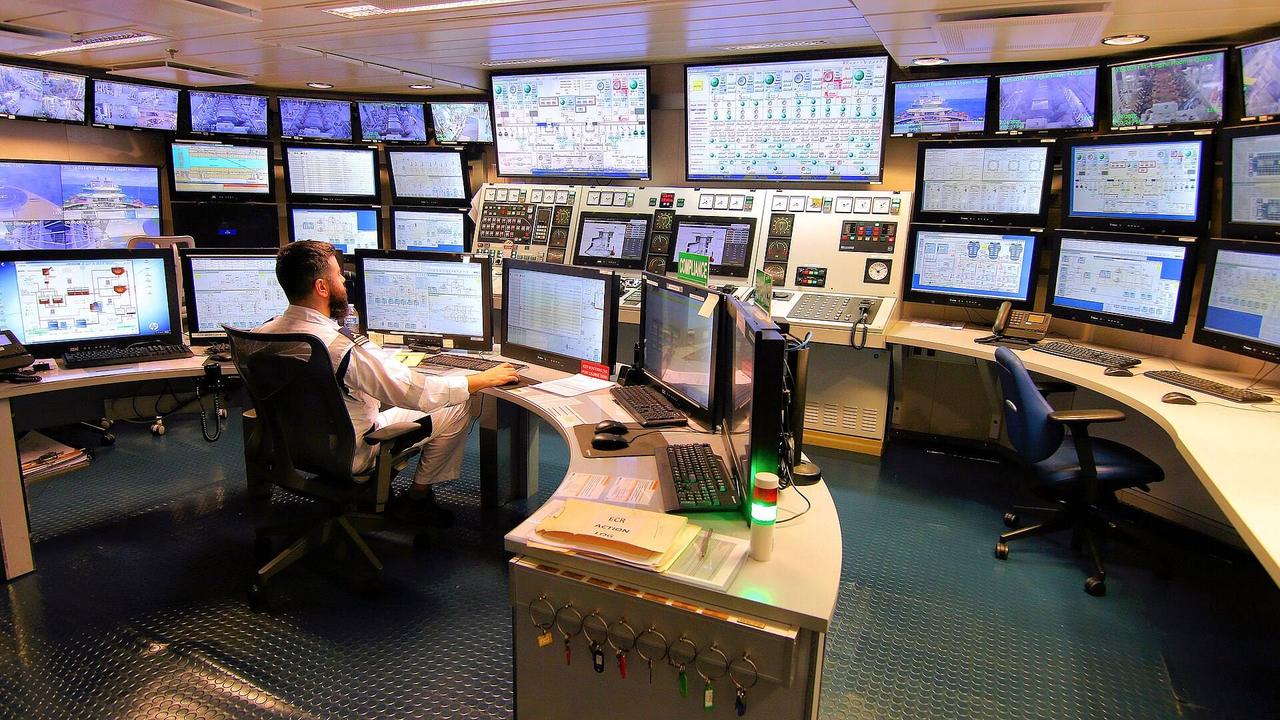
Operator at a curved console in a control room surrounded by wall-mounted monitoring screens

Automated Industrial Defect Detection

Inline vision inspection that finds, classifies and rejects defective parts while the line keeps running.
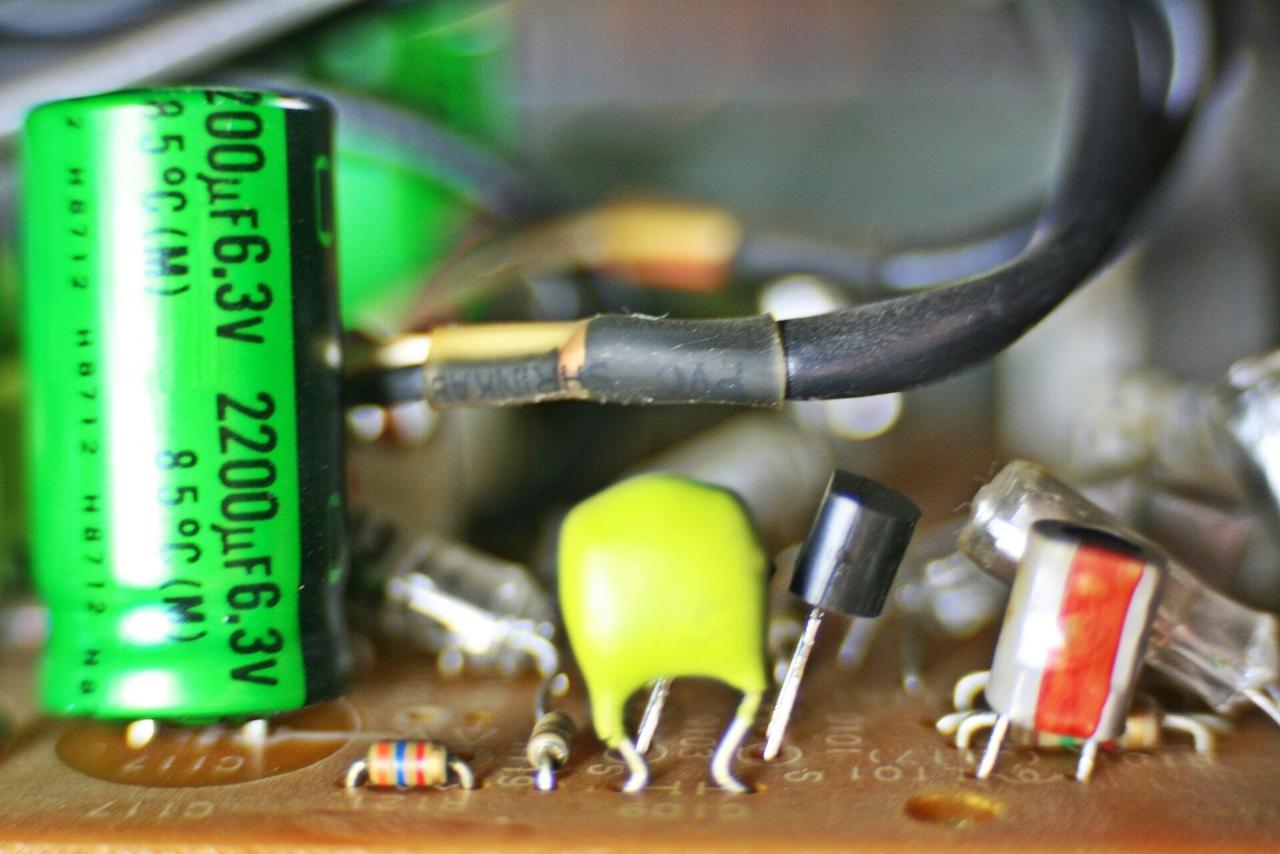
Close-up of components soldered to a printed circuit board

The problem

Manual visual inspection is slow, tiring and inconsistent between people and shifts. Small cracks, voids and misalignments are easy to miss, and when they are found late, scrap and rework costs have already been incurred.

The engineering approach

Cameras and controlled lighting are installed at the points where defects can be seen. Models trained on images from the actual process run on edge hardware beside the line, classify each part and signal the line controller to reject or stop. Every result is recorded with its image so quality teams can review and improve the system.

Technologies involved

  • Industrial cameras and lighting
  • Defect detection and classification models
  • Edge AI hardware at the line
  • PLC integration for reject signals
  • Quality dashboards and image review

Expected operational value

  • Consistent inspection of every part, on every shift
  • Defects caught earlier in the process, before more value is added
  • A searchable visual record of quality for traceability and root-cause analysis
  • Inspectors freed to focus on judgement calls and process improvement

Built from Computer Vision, Edge AI, Industrial IoT and Software.
Predictive Machine Health Monitoring

Sensors and analytics that detect developing equipment faults before they become breakdowns.

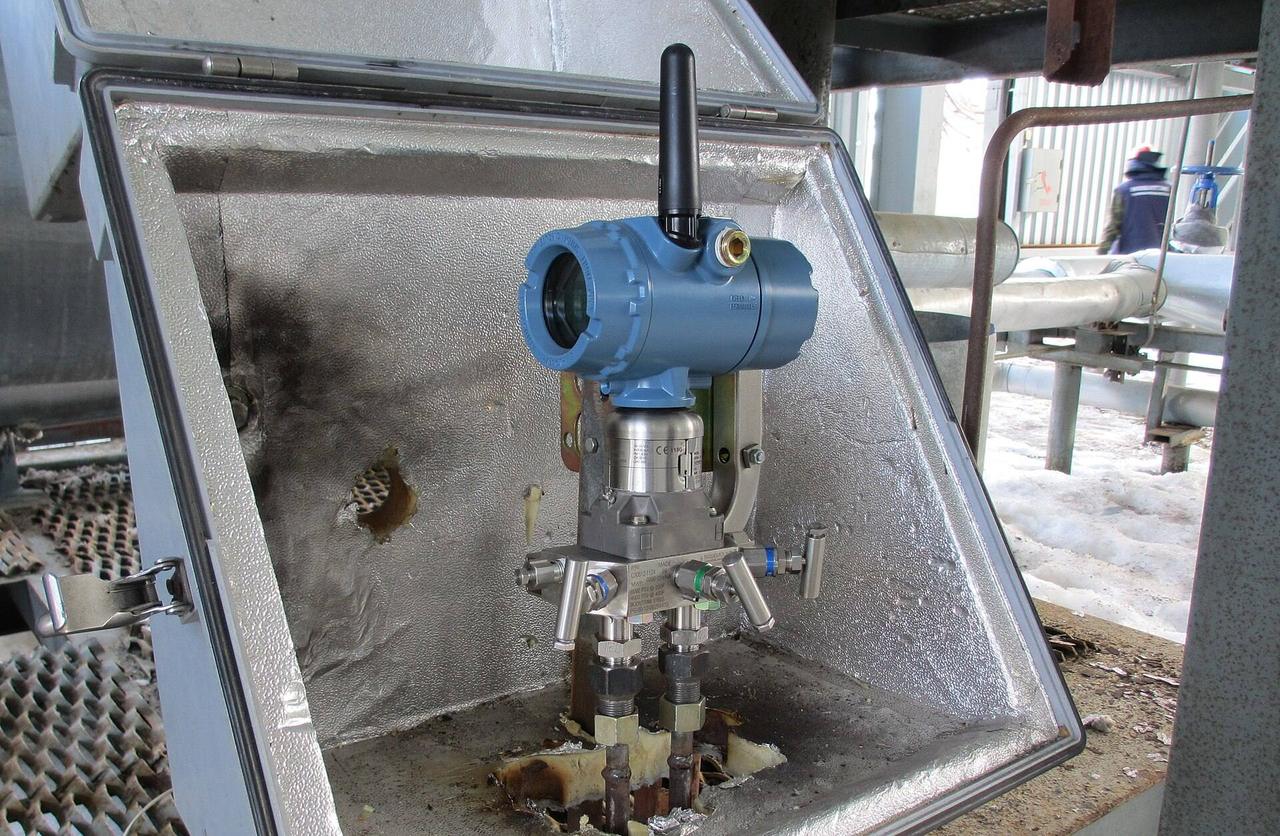
Wireless pressure transmitter with antenna mounted in an open protective enclosure at an industrial plant

The problem

Unplanned equipment failures stop production and lead to expensive emergency repairs. Fixed maintenance schedules either replace parts too early or miss problems that develop between services.

The engineering approach

Vibration, temperature, current and pressure sensors are added to critical equipment, alongside data already available from controllers. Gateways collect the signals reliably, edge processing summarises them, and models learn each machine's normal behaviour so that meaningful changes raise alerts for the maintenance team.

Technologies involved

  • Industrial sensors
  • IoT gateways and edge processing
  • Time-series data pipelines
  • Anomaly detection models
  • Monitoring dashboards and alerts

Expected operational value

  • Earlier warning of developing faults
  • Maintenance planned around actual equipment condition
  • Fewer unexpected stoppages
  • A shared, live view of equipment health across sites

Built from Industrial IoT, Edge AI and Software.

Autonomous Warehouse Intelligence

Autonomous robots, vision and orchestration software that move and track goods through the warehouse.

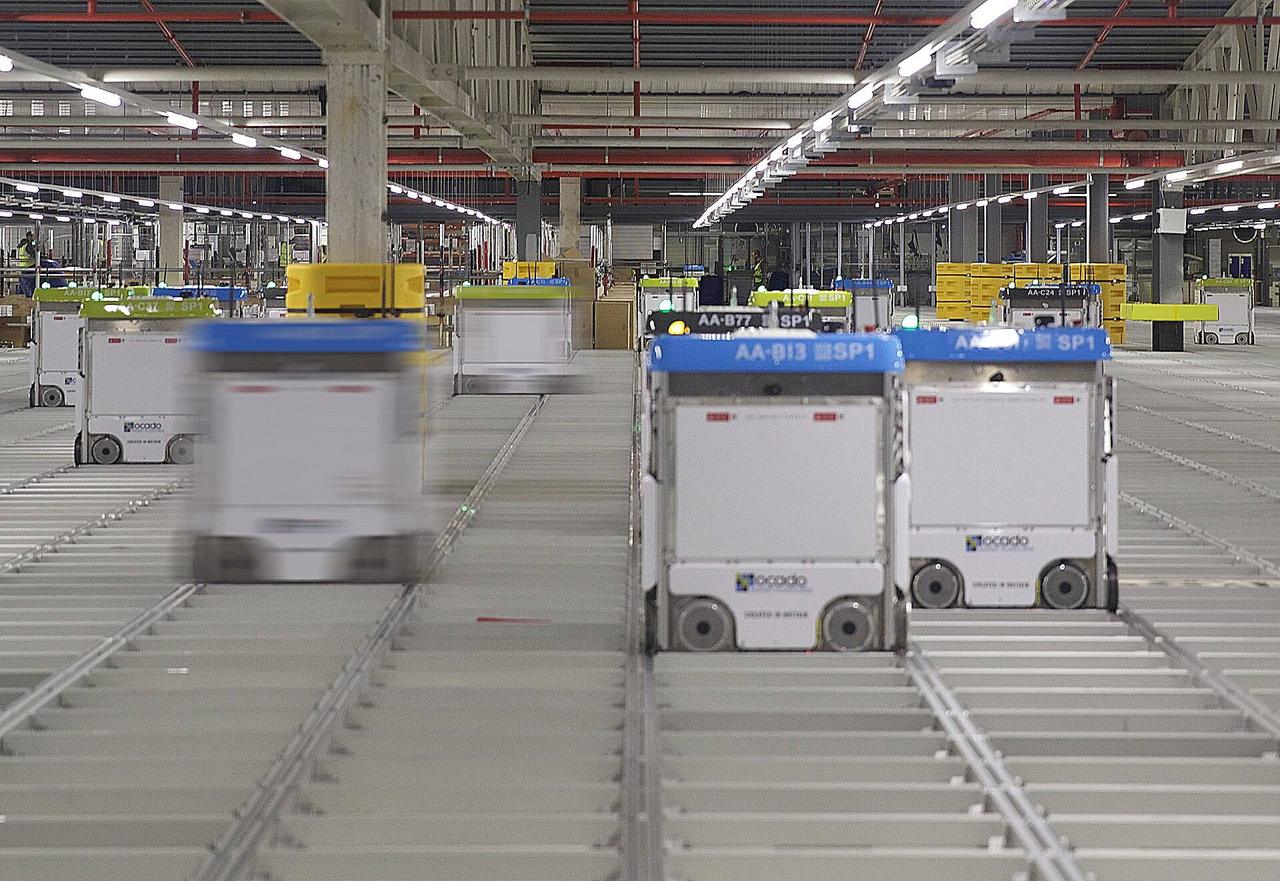
Autonomous robots moving across a storage grid in an automated warehouse

The problem

Warehouses depend on people walking long distances, moving goods manually and keeping records up to date by hand. Growing volumes and labour constraints make this hard to scale, and errors in picking or tracking are costly.

The engineering approach

Autonomous mobile robots take over repetitive material movement. Vision systems identify, count and check goods at key points. Orchestration software assigns tasks to robots and people and integrates with the warehouse management system, while connected monitoring keeps the fleet available.

Technologies involved

  • Autonomous mobile robots
  • Vision for identification and verification
  • Fleet orchestration software
  • Warehouse system integration
  • Fleet health monitoring

Expected operational value

  • Less manual walking and handling
  • More accurate, up-to-date inventory information
  • Capacity that can grow by adding robots rather than reorganising work
  • Clear visibility of flow and bottlenecks

Built from Robotics, Computer Vision, Edge AI, Industrial IoT and Software.
AI-Powered Drone Inspection

Drone missions with on-board and post-flight AI analysis for infrastructure, solar, construction and agriculture.

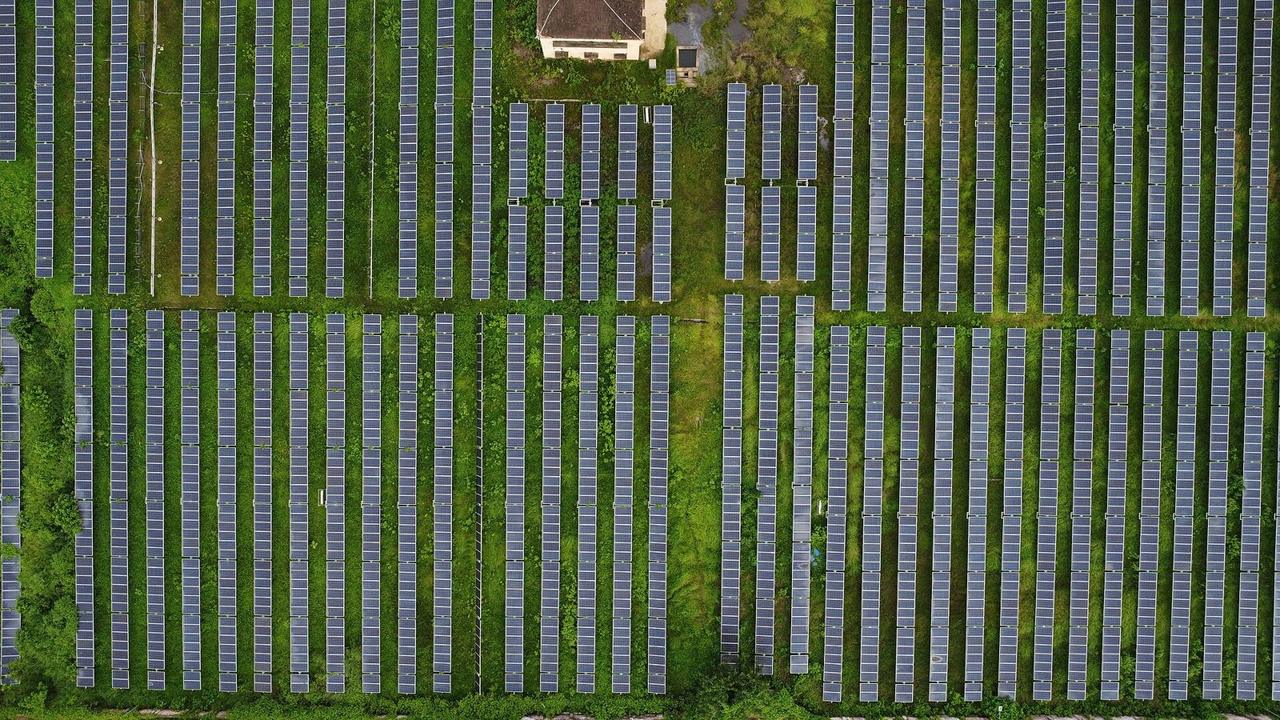
Aerial view of rows of solar panels at a solar farm

The problem

Inspecting large, tall or remote assets such as solar farms, structures and construction sites on foot is slow, sometimes hazardous and hard to repeat consistently, so problems are found late.

The engineering approach

Drones fly repeatable missions with visual or thermal payloads. On-board edge computing flags anomalies during the flight, and detailed analysis of the full image set classifies defects and changes. Findings are placed on maps and asset records so maintenance can be planned from evidence.

Technologies involved

  • Inspection drones and imaging payloads
  • On-board edge computing
  • Anomaly detection and classification models
  • Mapping and geotagged findings
  • Inspection reporting platform

Expected operational value

  • Faster coverage of large or hard-to-reach assets
  • Less need to put people at height or in hazardous areas
  • Consistent, comparable inspections over time
  • Evidence-based maintenance planning

Built from Drones, Computer Vision, Edge AI and Software.

One system, from the physical world to the people who run it.

Most intelligent systems fail at the seams between vendors: the camera supplier, the hardware integrator, the AI team and the software house. We engineer every step ourselves, so data flows from sensor to decision to action without hand-offs.

  1. Sense

    Cameras, sensors, drones and connected devices collect real-world data.

    Computer Vision, Industrial IoT, Drones

  2. Process

    Embedded hardware and edge AI process information locally.

    Edge AI

  3. Decide

    Computer vision and intelligent algorithms identify patterns, defects and operational conditions.

    Computer Vision, Edge AI, Industrial IoT

  4. Act

    Robotics, industrial controllers and automation systems execute decisions.

    Robotics, Industrial IoT

  5. Connect

    Software dashboards, cloud platforms and analytics provide visibility and control.

    Software, Industrial IoT

From sensor to decision to action, engineered as one integrated system.

Have an Engineering Challenge?

Let's build an intelligent solution that solves a real-world problem.

Start a Conversation